Source dry fiber optic cassette cleaner for FTTX, Connector Cleaning, Carrier Networks
Find 30 verified options for the dry fiber optic cassette cleaner designed for FTTX, connector cleaning, and carrier networks. Buyers can compare models like MT-87211 and CLN-01, review certifications such as ISO and CE, and evaluate specifications including size and weight to select the right tool.
Key considerations
Products List


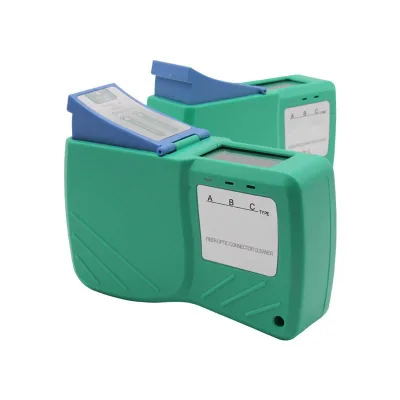
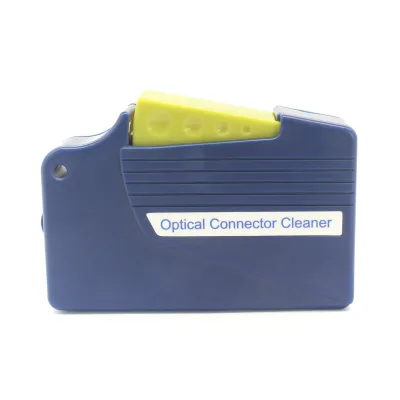


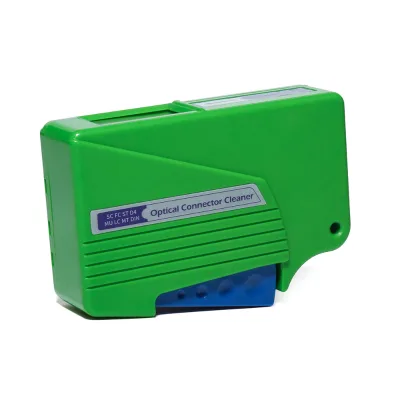


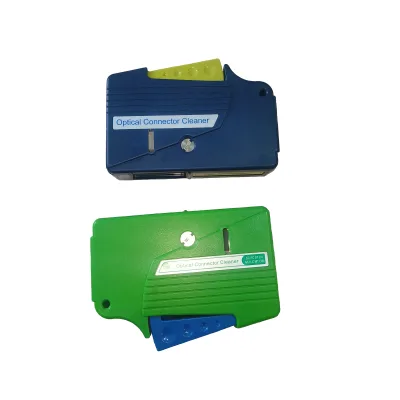


Comprehensive Sourcing Guide
Dry Fiber Optic Cassette Cleaner Sourcing Guide
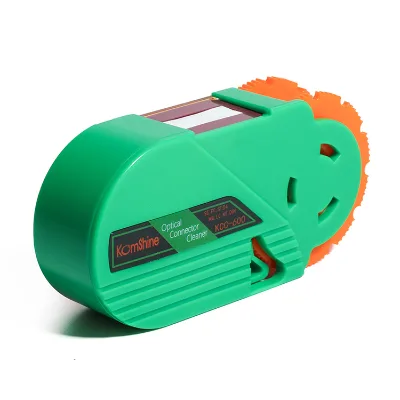
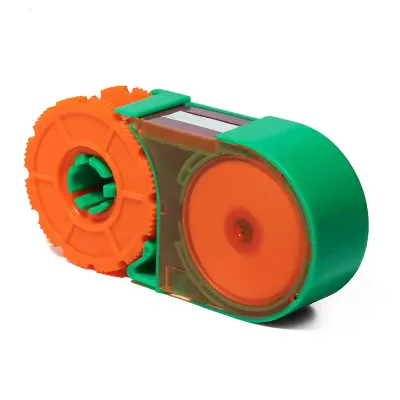
Procuring dry fiber optic cassette cleaners requires a precise understanding of the specific cleaning mechanisms and the physical constraints of the fiber optic cassettes they are designed to service. These devices are essential for maintaining signal integrity in FTTX and carrier network environments where dust and particulate contamination can cause significant insertion loss or back reflection. Buyers must distinguish between general connector cleaners and specialized cassette cleaning tools, as the latter often feature integrated wiring or specific form factors to access the dense connector arrays found within optical distribution frames. The observed market data indicates a diverse range of models, from compact handheld units to specialized reels, each tailored to different operational scales and maintenance frequencies.
The selection process hinges on matching the cleaner's physical dimensions and capacity to the specific cassette models in use, such as the MT-8721 series or CLN-01 variants observed in current listings. A critical decision point involves determining whether the procurement needs are for single-unit maintenance or high-volume deployment, as evidenced by the wide variance in packaging options ranging from single pieces per box to bulk bags of 100 units. Buyers should verify that the selected product supports the required application, whether it is for general fiber connector cleaning or specific tasks within communication infrastructure, ensuring the tool's design aligns with the physical access points of the target hardware.
Product Scope and Observed Listing Signals
The current market for dry fiber optic cassette cleaners presents a spectrum of product attributes that buyers must navigate to find the right fit for their inventory. Listings reveal specific model numbers such as MT-8721, MT-8726, and FM-CLN-MPO1, each associated with distinct physical dimensions and weights, such as the 138g unit measuring 1237029 mm or the 115g unit at 1157932 mm. These variations are not merely cosmetic but dictate the ergonomics and portability of the tool, influencing whether it is suitable for field technicians requiring lightweight equipment or for stationary maintenance stations where bulk capacity is preferred.
Observations of packaging and customization options further define the scope of available products, with some units offered in standard carton boxes while others are supplied in bulk bags or custom packaging configurations. The presence of "Integrated Wiring" as a product attribute suggests that certain models may include built-in cabling or connectors, which is a vital feature for specific integration scenarios within complex fiber networks. Buyers must carefully review the listed application tags, such as "Fiber Connector cleaning" or "FTTX," to ensure the product is not mislabeled as a general-purpose tool when it is actually optimized for a specific connector type or network architecture.
Technical Specifications to Verify
When evaluating technical specifications, the physical dimensions and weight of the cleaner are primary factors that impact usability and storage efficiency. The observed data includes specific size ranges like 1257029 mm and 1308535 mm, alongside weights varying from 115g to 147g, which directly influence the tool's balance and the fatigue level of the operator during extended cleaning sessions. It is imperative to verify that the selected model's dimensions do not interfere with the physical clearance of the fiber optic cassette being serviced, as an oversized tool may fail to access tight connector slots or damage adjacent components.
Beyond physical attributes, the operational capacity and durability metrics are critical for long-term procurement planning. Some listings indicate a cleaning capacity of over 400 times per reel, a figure that serves as a key performance indicator for cost-efficiency in high-volume environments. Buyers should also confirm the material shape, such as flat wire configurations, and the allowed lateral pressure and tensile strength, which can range from 1000N to over 10000N depending on the specific model. These mechanical properties ensure the cleaner can withstand the physical stresses of repeated use without degrading, maintaining consistent cleaning performance over its intended lifespan.
Compliance and Safety Documentation
Compliance with international safety and environmental standards is a non-negotiable aspect of sourcing fiber optic cleaning equipment, particularly for projects involving carrier networks or public infrastructure. The observed product listings frequently cite certifications such as CE, RoHS, ISO, and UL, which indicate adherence to specific safety, electromagnetic compatibility, and environmental regulations. Buyers must verify that the specific model they intend to purchase carries the relevant certification marks for their target market, as a product certified for one region may not meet the regulatory requirements of another, potentially leading to customs delays or legal liabilities.
In addition to broad certifications, specific documentation regarding the product's material composition and safety features must be reviewed to ensure compatibility with sensitive fiber optic components. Attributes such as "Insulation" and compliance with standards like REACH and CCC suggest that the materials used in the cleaner are designed to prevent electrical hazards and chemical contamination. Procurement teams should request detailed test reports or compliance certificates that explicitly link the certification to the specific model number, ensuring that the safety claims are not generic marketing statements but verified attributes of the actual product being supplied.
Cost Drivers and Commercial Terms
The commercial landscape for dry fiber optic cassette cleaners is influenced by a complex interplay of factors including customization levels, packaging formats, and order volumes. The observed price range spans from $1.05 to $160, reflecting the difference between basic single-use units and more sophisticated, durable models with extended warranties or specialized features. Buyers should analyze the cost per unit in the context of the total lifecycle cost, considering that a higher initial price may be justified by a longer warranty period, such as the 3-year warranty observed on some models, or a higher cleaning capacity that reduces the frequency of replacement.
Order quantity and lead time are equally significant drivers of the total cost of ownership, with observed minimum order quantities (MOQ) ranging from 1 to 1000 units. The availability of customization options, whether for branding or specific technical modifications, can also impact the final price and the lead time, which is noted to be as short as 1-3 days for some standard items but may extend for customized orders. Procurement strategies should balance the need for immediate availability against the potential cost savings of bulk purchasing, ensuring that the chosen commercial terms align with the organization's inventory management policies and budget constraints.
Supplier Qualification and Quality Control
Selecting a qualified supplier requires a rigorous assessment of their ability to consistently deliver products that meet the specified technical and compliance standards. The origin of the products, consistently listed as China, necessitates a thorough vetting process to ensure that the manufacturing processes maintain the high quality required for fiber optic maintenance tools. Buyers should verify the supplier's track record in producing items with the specific certifications observed, such as ISO9001 for Type Fiber Optic Cleaners, and confirm that their quality control protocols include rigorous testing of the cleaning capacity and mechanical durability.
Quality control measures should extend beyond the initial production run to include ongoing monitoring of product consistency, especially for items with high usage rates like the cleaners offering over 400 cleaning cycles. The presence of OEM branding on some listings indicates that suppliers may offer private labeling services, which requires a robust quality assurance framework to ensure that the branded product maintains the same performance standards as the original equipment. Procurement teams should establish clear acceptance criteria based on the observed specifications, such as weight tolerances and dimensional accuracy, to prevent the receipt of substandard units that could compromise network maintenance operations.
Long-Term Procurement Checks
Sustaining a reliable supply chain for dry fiber optic cassette cleaners involves establishing long-term checks that monitor product performance and supplier reliability over time. Buyers should implement a system for tracking the actual cleaning cycles achieved by the units in the field against the advertised capacity of over 400 times, as this data will inform future purchasing decisions and help identify any discrepancies between marketing claims and real-world performance. Regular audits of the product condition, ensuring that items remain "New" and free from defects, are essential to maintaining the high standards required for critical fiber optic infrastructure.
Furthermore, long-term procurement strategies must account for the evolution of technology and the changing needs of the network, such as the shift towards more complex connector types or higher density cassettes. Buyers should maintain open communication with suppliers regarding updates to product models, such as the transition from MT-8721 to newer variants, and ensure that the supply chain can adapt to these changes without disruption. By continuously verifying that the products continue to meet the necessary certifications and performance standards, organizations can ensure that their fiber optic maintenance operations remain efficient, safe, and compliant with industry best practices.
FAQs
What certifications do dry fiber optic cassette cleaners typically have?
These cleaners commonly hold ISO, CE, RoHS, GS, and CCC certifications. Such credentials verify compliance with international safety and environmental standards. Buyers should verify specific documentation for each model to ensure regulatory alignment for their target markets and procurement requirements.
How much does a dry fiber optic cassette cleaner cost?
Prices generally range from 1.05 to 160 USD per unit. The final cost depends on the specific model, packaging type, and order volume. Bulk purchases often yield better pricing, while specialized models with higher durability or specific certifications may command a premium.
Can I customize the packaging for these cleaning devices?
Yes, customization is available for many models. Standard options include carton boxes, individual bags, or custom packaging solutions. Buyers can specify requirements for branding or protective materials to ensure safe transit and align with their internal inventory management systems.
What is the typical lead time for delivery?
Delivery times are typically fast, often ranging from 1 to 3 days for standard orders. This rapid turnaround supports urgent maintenance needs in FTTX and carrier network applications. Buyers should confirm exact schedules with suppliers to account for production batches and shipping logistics.
Which models are suitable for connector cleaning applications?
Models like CLN-01 and FM-CLN-MPO1 are designed for connector cleaning. These devices ensure optimal signal integrity by removing dust from fiber interfaces. Selecting the right model depends on the connector type and the specific cleaning frequency required for your network infrastructure.
What is the minimum order quantity for these cleaners?
MOQs typically range from 1 to 1000 units. Small quantities are available for testing or immediate replacement needs. Larger orders may offer better unit economics. Buyers should check specific supplier terms to determine the most cost-effective purchasing strategy for their volume.